

Effective Governance; building the backbone of your successful project
October 27, 2025
Getting the most out of committee meetings
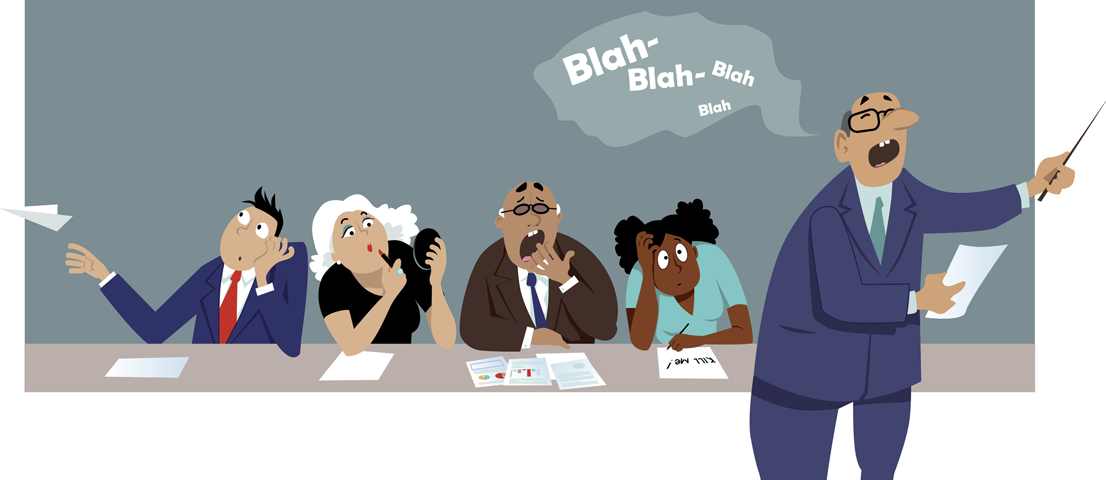
Two long hours have passed, some reporting back, and nothing achieved or decided.
We’ve all been there. But it doesn’t have to be like that!
Similar experiences ourselves is what prompted us to pen this blog about ensuring that your committee, whatever its purpose, works efficiently and effectively and contributes as much as it can towards your successful project.
We asked experienced heritage project managers for their advice and one simple but invaluable top tip came up again and again;
‘Set the frequency of regular meetings and the format for reporting to them at the start of the project and schedule meetings as far in advance as possible.’
Katherine Findlay, freelance Project Manager
‘Get in a routine – book meeting dates a year ahead, work back with deadlines for agreeing agendas, writing papers, assembling papers, sending them out, etc. Use a formal planning tracker to do this’
Local Authority Head of Strategic Programmes and major Heritage Fund project.
Top tips for a larger project:
‘Have a very good admin person to keep on top of everything’ and ‘Don’t underestimate the time it takes to manage meetings’
Local Authority Head of Strategic Programmes and major Heritage Fund project.
And a tip for staff meetings that also applies to committee meetings when your project has a ‘quiet patch’, or lull in activity;
‘Be mindful about which meetings you need – diarise as a regular fixture but cancel if not required’
Local Authority Head of Strategic Programmes and major Heritage Fund project.
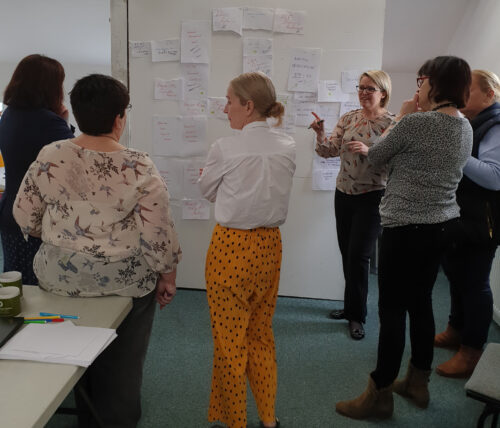
Great Place Wentworth Elsecar Steering Group members collaborating to produce a Strategy Map
Having a good Chair is essential
The ability to actually chair a meeting effectively is a lot rarer than you might think!
Work with your Chair to agree the agendas and plan how to deal with any sensitive issues, difficult or complicated decisions. Wherever possible deal with contentious issues outside (before) the meeting, but if all else fails don’t be afraid to put things to a vote if you can’t reach a consensus.
Actively plan really useful meetings
A little bit of time planning with your Chair can help super charge your meetings and make sure you get ‘bang for your buck’ from your governance groups.
Try to avoid Board meetings being just a series of updates – send reports out early and expect people to read them. That way you can use the meetings for anything exceptional or that needs to be escalated plus some workshopping, problem-solving or discussion time.
Try to get them out on site or at an event at least once a year, to so see the amazing project in action first-hand. There’s also something about being outside that makes for more constructive decision making if there might be disagreement.
Set ground rules for attendance
You’ll usually have some people who attend regularly and contribute a lot, some who come but otherwise aren’t that committed, and a few who rarely show up at all.
They might look good on your grant application and that’s fine, but if you really need their input you might need to find a way to replace them with someone who will actually contribute. That said, people who are there because they have one particular part of the project they have an interested in will drift off once ‘their’ bit of the project is done. It’s only natural.
‘Three strikes and you’re out’ is a good rule to manage non-attendance (with exceptions for genuinely extenuating circumstances of course). Find a replacement who’ll show up.
If someone with a lot of knowledge leaves because they retire or change jobs, consider co-opting them to stay on the committee as an individual. Make sure your governance arrangements allow for this.
The more thought you put into your committee meetings before they happen, the more you’ll get out – try to make sure that the other people on the Committee take the same approach!
Bill Jenman, Heritage Insider Programme and Project Delivery Specialist (with help from other experienced project managers)

